



 BLV 365
 Hôm nay




























































































Xoi Lac TV là gì?
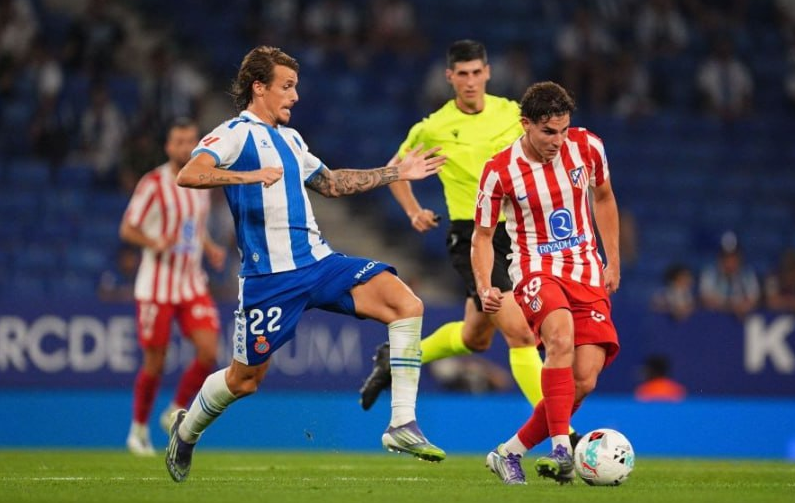
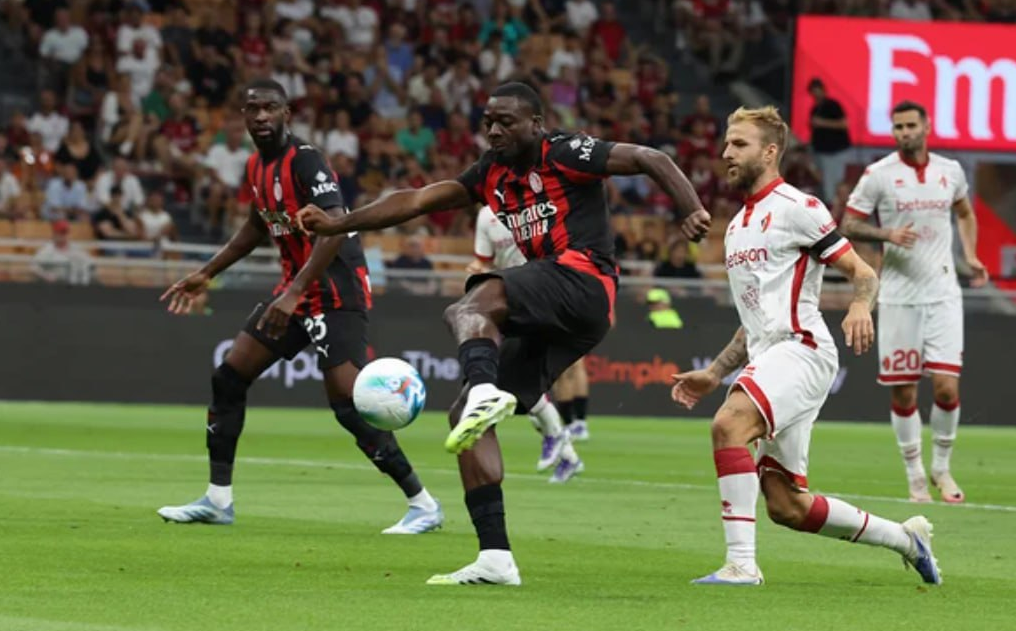
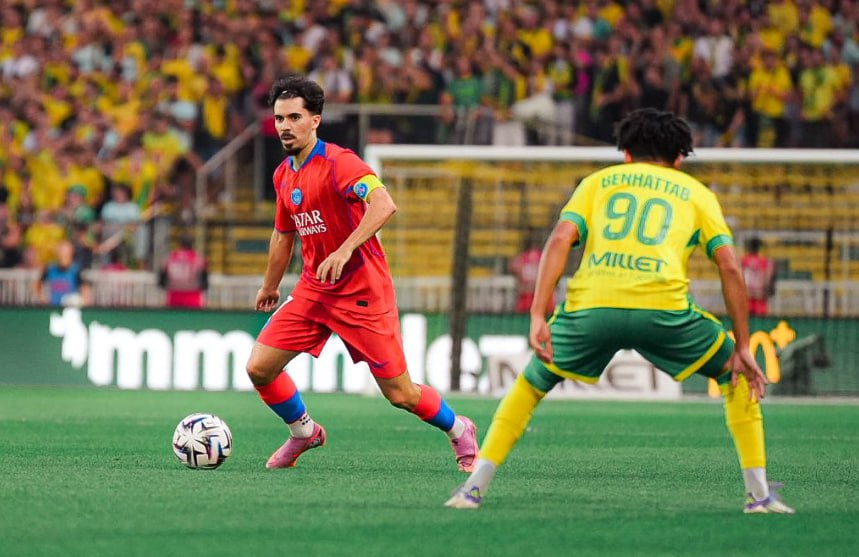
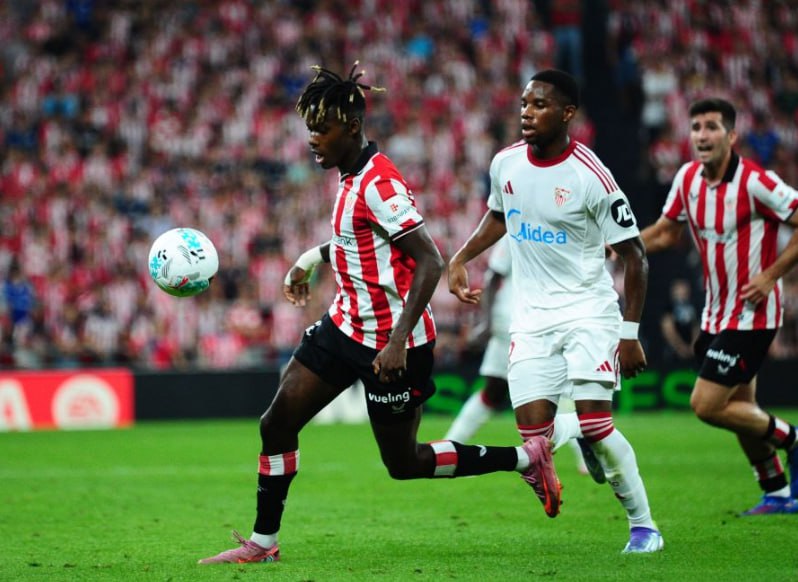
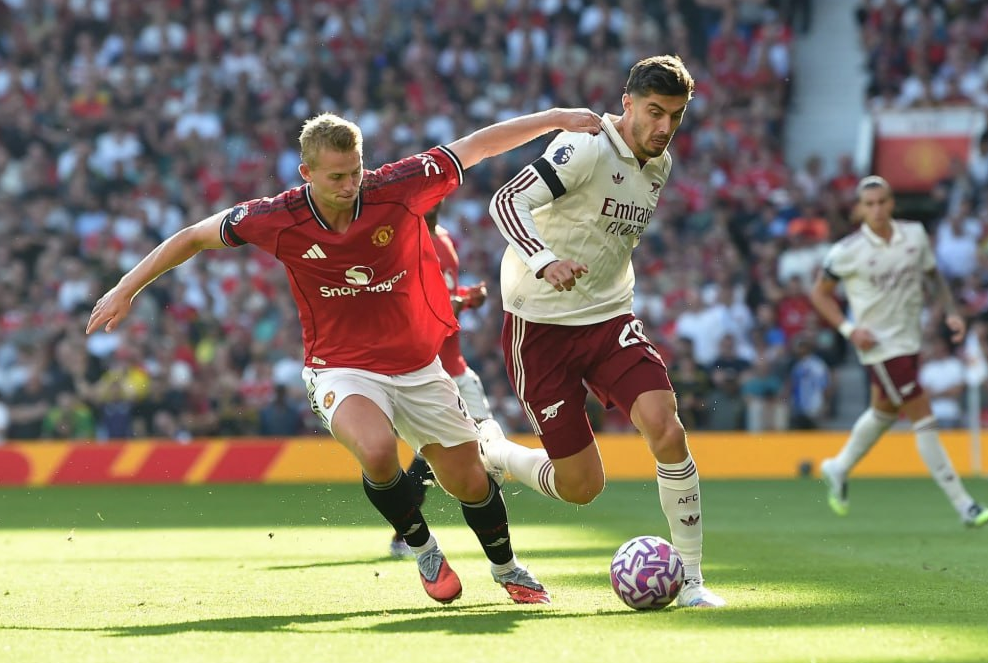
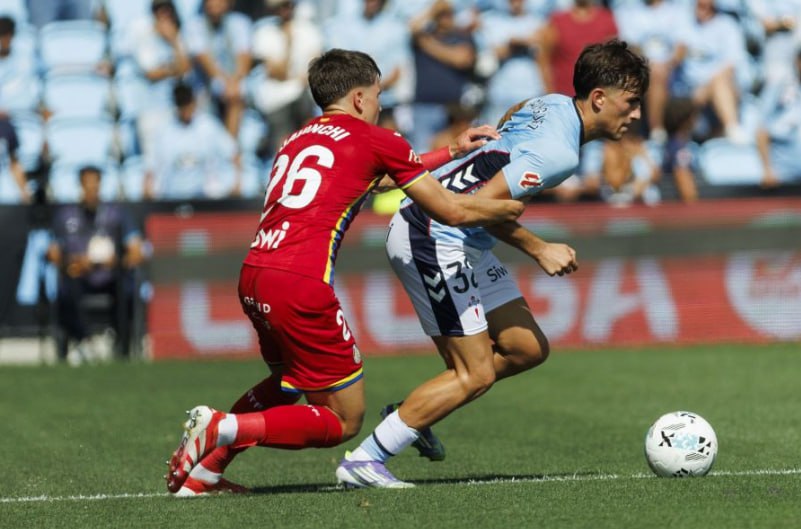
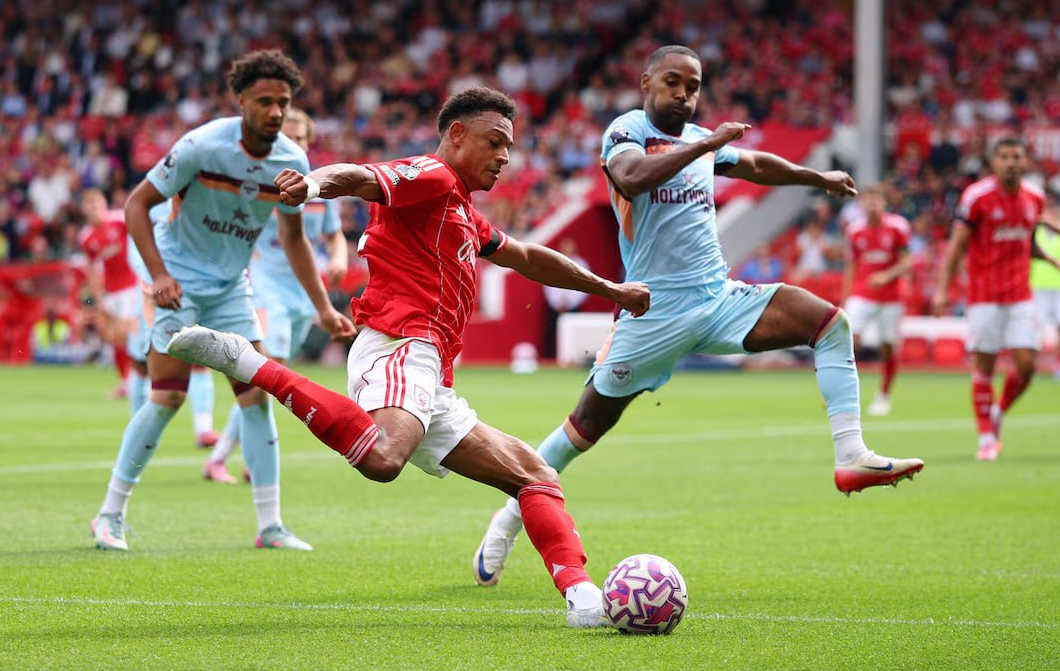
Xoi Lac TV là kênh trực tiếp bóng đá XoilacTV chính thức phát sóng bóng đá hàng đầu Việt Nam. Xôi Lạc TV mang đến cho người xem toàn bộ những giải bóng đá hàng đầu thế giới hoàn toàn miễn phí. Thêm vào đó chất lượng trong trận đấu full HD tốc độ cao, từ hình ảnh đến âm thanh.
Giới thiệu về Xoi Lac TV
Ở thời điểm hiện tại, XoiLac TV là một trong những website xem bóng đá được yêu thích nhất tại Việt Nam. Bởi số lượng người truy cập vào đây để xem bóng đá mỗi ngày khá đông đảo. Đương nhiên, gần như tất cả mọi người đều hài lòng với những gì mà chúng tôi mang lại.
Dù không phải là trang web trực tiếp bóng đá lâu đời nhất Việt Nam. Nhưng với việc đầu tư khá nhiều tiền để xây dựng một website bài bản và chuyên nghiệp. XoiLac365 đã phát triển nhanh chóng, để đánh bật những website trước đó về chất lượng và chuyên môn. Qua đó trở thành website phát sóng bóng đá hàng đầu Việt Nam.
| ✔️ Kênh trực tiếp bóng đá Xoilac TV 365. | |
| ✔️ Link bóng đá trực tuyến Full HD chất lượng cao. | |
| ✔️ Bình luận viên Nhiệt huyết yêu nghề. | |
| ✔️ Phát sóng tất cả các giải đấu Miễn phí. |
Đương nhiên, không phải tự dưng mà chúng tôi lại phát triển nhanh đến như vậy. Mà bởi Xoi Lac TV phát sóng gần như tất cả những giải bóng đá hàng đầu thế giới cho mọi người xem miễn phí. Cũng như chất lượng hình ảnh, âm thanh trong trận đấu khá cao, tốc độ mượt mà. Đặc biệt, người xem còn được nghe bình luận tiếng Việt khá cuốn hút.
Ngoài ra chúng tôi còn cung cấp rất nhiều những tính năng hữu ích khác. Để mọi người dễ dàng tìm và xem được các thông tin bóng đá mình muốn nhanh và chính xác nhất. Đương nhiên, trong tương lai chúng tôi sẽ nâng cấp mình nhiều hơn nữa. Để mang đến cho người dùng những chức năng, dịch vụ với chất lượng cao.

Những lý do nên xem trực tiếp bóng đá tại Xoi Lac TV
Anh em nên lựa chọn trang web Xoilac TV 365, nếu đang muốn tìm và xem trực tiếp bất kỳ trận đấu nào. Bởi khi vào đây, anh em sẽ dễ dàng xem được trận đấu mình thích với chất lượng và trải nghiệm không thể chê vào đâu được. Vì chúng tôi có những ưu điểm sau:
Xoilac TV phát sóng tất cả những giải bóng đá lớn
Để giúp mọi người dễ dàng xem được trận đấu bóng đá mình thích. Chúng tôi đã chi rất nhiều tiền để mua thành công bản quyền phát sóng của các giải đấu lớn. Trong đó có nhiều giải đấu khá ăn khách trong nước ở thời điểm hiện tại như:
- Ngoại Hạng Anh
- Champion League
- Europa League
- Serie A
- La Liga
- Bundesliga
- Ligue 1
- World Cup
- Euro
- Ngoài ra còn nhiều giải đấu khác.
Vào đầu giờ hàng ngày, Xoilac365 cũng cập nhật lịch phát sóng cho mọi người tham khảo. Qua đó, anh em dễ dàng biết hôm nay diễn ra những trận đấu nào, thời gian thi đấu ra sao. Qua đó có thể thu xếp được thời gian phù hợp để xem trận đấu mình thích.

Link xem bóng đá trực tiếp Xoilac365 uy tín
Để mọi người xem bóng đá bằng hình thức trực tiếp một cách tốt nhất. Chúng tôi cũng xây dựng một hệ thống link khá uy tín và chất lượng. Khi mỗi trận đấu bóng đá được Xôi Lạc 365 phát sóng sẽ có trên 3 đường link cho anh em lựa chọn. Đương nhiên thời gian mà chúng tôi cập nhật link lên website cũng trước khi trận đấu diễn ra ít nhất 1 tiếng đồng hồ.
Tại XoilacTV, khi đường link anh em đang xem gặp vấn đề thì có thể chuyển sang link mới ngay lập tức. Để tiếp tục xem trận đấu một cách dễ dàng. Chúng tôi cũng cam kết rằng toàn bộ đường link do mình cung cấp sẽ không bao giờ dính mã độc hay virus, nên anh em hoàn toàn có thể yên tâm.
Mang đến nguồn phát sóng chất lượng cao
Để mang đến cho người xem những trận đấu bóng đá với chất lượng cao nhất. Chúng tôi đã ứng dụng công nghệ phát sóng 4.0 khá hiện đại. Điều này giúp chất lượng mà anh em cảm nhận được trong trận đấu tăng lên khá cao như sau:
- Hình ảnh trong trận đấu có độ phân giải từ HD trở lên, nên anh em sẽ thấy cực kỳ sắc nét
- Âm thanh thì lúc nào cũng chân thực với âm lượng khá lớn, nên anh em sẽ cảm nhận được không khí trên khán đài sôi động như thế nào
- Màn hình để xem trận đấu cũng có kích thước đúng chuẩn và tương thích với cả điện thoại thông minh lẫn máy tính.
Ngoài ra, để anh em có thể xem trận đấu một cách tốt nhất. Chúng tôi còn cho phép anh em điều chỉnh lại âm lượng, kích thước màn hình hay độ phân giải của trận đấu bất kỳ lúc nào.
Không chỉ ứng dụng công nghệ phát sóng hiện đại nhất. Mà đường truyền chúng tôi sử dụng cũng có tốc độ cao. Chính vì thế, khi xem các trận đấu do chúng tôi phát sóng, anh em sẽ cảm nhận được tốc độ khá mượt mà và ổn định.
Thêm vào đó, kể từ khi trận đấu diễn ra cho đến khi trận đấu chính thức kết thúc. Anh em cũng gần như không thấy xuất hiện các hiện tượng đứng hình, giật hay bị diss ra khi đang xem. Mà thay vào đó, anh em sẽ xem từ đầu đến cuối mà không bị delay giây phút nào.
Đội ngũ bình luận cuốn hút tại Xoilac 365
Một trong những điểm mạnh nhất của chúng tôi. Mà được người xem đánh giá cực kỳ cao. Đó là Xôi Lạc TV đang sở hữu một đội ngũ bình luận viên bóng đá khá chuyên nghiệp. Trong đó có nhiều cái tên đang làm mưa làm gió tại Việt Nam hiện nay như Leo Nát Đô, Giàng A Lử, Captain, Giàng A Phò, Người Cồn,…..
Chính vì thế, khi xem bất kỳ trận đấu bóng đá nào do XoilacTV phát sóng. Anh em đều nghe được bình luận bằng tiếng Việt miễn phí. Thêm vào đó, những BLV này còn có lối bình luận phải nói cực kỳ cuốn hút và hài hước. Mà đảm bảo rằng, anh em có những giây phút xem trận đấu mình thích vui vẻ hơn TV rất nhiều.
Chúng tôi còn cung cấp cả khung chat, để anh em trò chuyện, giao lưu, tương tác với những người xem hay BLV trong trận đấu bất kỳ lúc nào. Chỉ cần anh em đặt những câu hỏi liên quan đến chủ đề cá cược, bóng đá hay trận đấu đang xem là sẽ được trả lời ngay.
Không có quảng cáo Xoi Lac 365
Trang web Xôi Lạc TV luôn hoạt động với phương châm “đặt trải nghiệm của người xem lên hàng đầu”. Cho nên tất cả những trận đấu do chúng tôi phát sóng đều không có quảng cáo xuất hiện. Cho nên anh em không bị làm phiền, quấy rầy trong suốt quá trình trận đấu diễn ra.
Hiện tại, chúng tôi cũng chỉ có đặt những banner quảng cáo cho các nhà cái lớn tại trang chủ. Đương nhiên những banner này cũng không làm phiền anh em. Tuy nhiên nếu không thích, anh em có thể tắt đi bất kỳ lúc nào.
Hướng dẫn xem trực tiếp bóng đá tại Xoi Lac TV
Trước khi xây dựng website cho mình, chúng tôi đã khảo sát hành vi của người dùng khá nhiều. Để thiết kế được một trang web với giao diện cực kỳ đơn giản. Giúp tất cả mọi người sử dụng dễ dàng, qua đó để xem bất kỳ trận đấu nào tại đây anh em chỉ cần làm như sau:
- Bước 1: Trước tiên sẽ dùng điện thoại thông minh hoặc máy tính rồi truy cập vào Xoi Lac TV
- Bước 2: Tiếp theo anh em sẽ chọn vào mục Trang Chủ rồi tìm trận đấu bóng đá mình muốn xem
- Bước 3: Cuối cùng, anh em khi anh em tìm được thì chỉ cần nhấn Xem Ngay là xong.
Giao diện của Xôi Lạc TV tương thích với toàn bộ những hệ điều hành khác nhau. Cho nên anh em có thể truy cập bằng bất kỳ thiết bị nào, từ IOS, Windows Phone, Android,…

Những tính năng khác của Xoilac365.tv
Như chúng tôi đã chia sẻ ở trên, ngoài phát sóng bóng đá trực tiếp với chất lượng cao. Trang web Xoi Lac TV còn cung cấp rất nhiều những chức năng hữu ích cho mọi người sử dụng như:
Tin tức bóng đá trực tuyến
Để mọi người nắm được tình hình bóng đá mới nhất trên toàn thế giới và trong nước. Hàng ngày, chúng tôi đều tìm kiếm và cập nhật lên website những tin tức về cầu thủ, huấn luyện viên, trước trận đấu, bên lề sân cỏ, chuyển nhượng,…
XoilacTV cũng chỉ lấy tin tức từ những nguồn uy tín nhất hiện nay. Cho nên anh em hoàn toàn yên tâm khi tham khảo hay sử dụng những tin tức tại đây.
Lịch thi đấu bóng đá
Tất cả những trận đấu diễn ra vào hôm nay và ngày mai cũng được chúng tôi cập nhật lịch thi đấu đầy đủ. Để anh em biết được các trận đấu lớn hay đội bóng mình yêu thích diễn ra vào lúc nào. Thêm vào đó, các thông tin trước trận đấu như đội hình ra sân, sân tổ chức trận đấu, thành tích đối đầu, phong độ hiện tại,… đều được chúng tôi cung cấp đầy đủ.
Bảng xếp hạng bóng đá
Tại đây, anh em còn tìm và xem được BXH của bất kỳ giải bóng đá nào mình muốn. Trong bảng xếp hạng cũng có đầy đủ những thông tin như vị trí, điểm số, hiệu số thắng/ thua, số vòng thi đấu,… Những thông tin này cũng được chúng tôi cập nhật dựa vào kết quả trận đấu gần nhất, nên cực kỳ chuẩn xác.
Kết quả bóng đá
Để biết kết quả của những trận đấu vừa diễn ra, anh em cũng nên truy cập vào Xoi Lac TV. Bởi hiện tại, chúng tôi đang cập nhật kết quả cho tất cả những giải bóng đá. Qua đó, anh em dễ dàng biết được tỷ số, cầu thủ ghi bàn, số lần phạt góc, ném biên, thời lượng kiểm soát bóng,.. của những trận đầu mà mình không thể xem trực tiếp
Highlight bóng đá
Đối với các trận đấu lớn, sau khi kết thúc còn được chúng tôi cập nhật video highlight. Để anh em xem lại toàn bộ những diễn biến chính. Qua đó biết được hai đội thi đấu như thế nào, các bàn thắng, các tính huống nguy hiểm ra sao.
Tỷ lệ kèo nhà cái
Chúng tôi còn cập nhật bảng kèo cho những trận đấu bóng đá diễn ra hàng ngày. Thông tin trong bảng tỉ lệ kèo cũng đầy đầy và chính xác tuyệt đối. Mà qua đó, anh em có thể soi kèo trận đấu mình muốn với tỷ lệ chính xác cao hơn.
Danh sách các website xem trực tiếp bóng đá (tructiepbongda) tốt nhất
Điểm danh một số website xem bóng đá trực tiếp chất lượng cao như:
- Xoilacz, xoilac tv, xoilac 1, xoilac 2, xoilac7, xoilac 30, xoilac 51, xoilac 64, xoilac 78, xoilac 79, xoilac 80, xoilac 89, xoilac 90, xoilac 91, xoilac 365
- Cakhia TV , cakhia link
- ChaolongTV, cháo lòng tv
- Thuckhuya TV, thức khuya tv
- 90Phut TV, 90p, 90 phút tv
- ThapcamTV, thập cẩm tv
- VaoroiTV, vào rồi tv
- BanthangTV , bàn thắng tv
- MitomTV , mì tôm tv
- BanhkhucTV, bánh khúc tv
Kết luận
Hãy đồng hành với trang web Xoilac TV, nếu anh em muốn thưởng thức được các trận đấu bóng đá hấp dẫn diễn ra hàng ngày với chất lượng cao. Đảm bảo rằng tại đây, anh em sẽ có những giây phút xem bóng đá trực tiếp không thể chê vào đâu được.
Thông tin liên hệ với Xoi Lac TV
Website: https://uetechnologies.com
Đia chỉ: 28 Võ Nguyên Giáp, Dư Hàng Kênh, Lê Chân, Hải Phòng, Việt Nam
Điện thoại: 0365285678
Email: xoilactvoffical@gmail.com
Social:
– Twitter: https://twitter.com/xoilactvoffical
– Facebook: https://www.facebook.com/xoilactvoffical/
– About.me: https://about.me/xoilactvoffical
Hastag: #Xoilac #XoilacTV #tructiepbongda #XoilacTVOffical #Xoilac_TV
